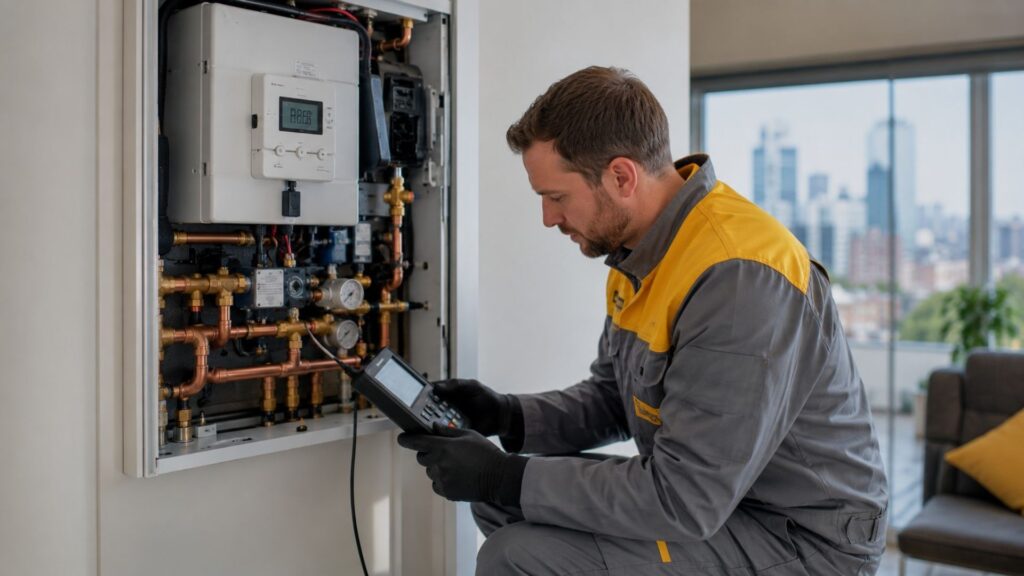

Modern heating systems play an important role in keeping homes, apartments, and commercial buildings comfortable throughout the year. In properties that use communal or district heating networks, a Heat Interface Unit (HIU) can be a key part of the system. It transfers heat from a central network into a property, providing heating and hot water without requiring a traditional individual boiler.
Like any mechanical equipment, an HIU requires regular attention to remain reliable and efficient. Proper maintenance can help identify developing problems, maintain performance, and reduce the risk of unexpected heating or hot-water interruptions. For property owners and residents, understanding the importance of professional HIU service London can make heating maintenance easier to manage.
Understanding How an HIU Works
An HIU is designed to transfer thermal energy between a communal heating network and an individual property. Instead of producing heat itself, the unit receives heat from the wider network and delivers it where it is needed.
Depending on the system, an HIU may provide both domestic hot water and space heating. Internal components can include heat exchangers, valves, filters, temperature sensors, control systems, and flow regulators.
Because several components work together, a problem with one part can affect the overall performance of the system. Regular servicing provides an opportunity to inspect these components before minor issues develop into more disruptive faults.
Why Regular Maintenance Matters
Heating equipment is often taken for granted until something stops working. A lack of maintenance can allow wear, contamination, pressure issues, or control problems to remain unnoticed.
Routine servicing can help with:
- Identifying worn or damaged components
- Checking system performance
- Detecting unusual temperature changes
- Inspecting valves and connections
- Cleaning relevant components
- Checking controls and sensors
- Improving heating reliability
- Reducing the likelihood of unexpected breakdowns
Regular maintenance is particularly useful in properties where residents depend on the HIU for both heating and hot water.
Common Signs That an HIU Needs Attention
Knowing the warning signs of an HIU problem can help property owners arrange professional assistance before the issue becomes more serious.
One common sign is inconsistent hot water. If water takes longer than usual to become hot or the temperature fluctuates significantly, the system may require inspection.
Reduced heating performance can also indicate an issue. Radiators may take longer to warm up, rooms may remain colder than expected, or the heating system may struggle to maintain a comfortable temperature.
Unusual Noises and Temperature Changes
Unusual sounds coming from the HIU should not be ignored. Buzzing, banging, humming, or other unfamiliar noises may indicate that a component requires attention.
Sudden temperature changes can also suggest problems with sensors, valves, controls, or heat transfer. Professional inspection can help establish the cause rather than relying on assumptions.
Another warning sign is repeated system interruption. If heating or hot water repeatedly stops and restarts, the issue should be investigated instead of continually resetting the system.
What Professional HIU Servicing Can Include
The exact service process depends on the HIU model, installation, and heating network. However, professional maintenance commonly involves a systematic inspection of the unit and its operating components.
A technician may check the condition of valves, connections, filters, heat exchangers, sensors, and control equipment. The system can also be assessed for unusual operating conditions or signs of deterioration.
Cleaning and Component Inspection
Over time, deposits and debris can affect the performance of heating components. Appropriate cleaning can help maintain efficient heat transfer and reliable operation.
Filters and strainers may also need inspection and cleaning where applicable. Keeping these components in suitable condition can help support consistent system performance.
The technician may also examine connections for signs of leakage or deterioration. Detecting a small issue early can help prevent more extensive problems later.
Maintaining Efficient Heating Performance
Energy efficiency is an important consideration for modern properties. A heating system that is not operating correctly may require more energy to provide the desired level of comfort.
An efficiently operating HIU can help deliver heat and hot water according to the requirements of the property. Maintenance can support this by ensuring that controls, sensors, valves, and heat-transfer components are functioning appropriately.
However, maintenance is only one part of efficient heating. Residents can also contribute by using thermostats appropriately, avoiding unnecessary overheating, and reporting faults promptly.
The Role of Controls and Sensors
Modern HIUs often depend on electronic controls and temperature sensors. These components help regulate heating and hot-water delivery.
If a sensor provides inaccurate information, the system may not respond correctly to demand. Similarly, control problems can affect temperature stability and overall comfort.
During servicing, these components can be checked as part of a wider assessment. Correctly functioning controls can help the heating system respond more effectively to changing requirements.
Planning an HIU Maintenance Schedule
A planned maintenance approach is generally more practical than waiting for a breakdown. Property managers and owners can establish servicing schedules based on the equipment, manufacturer recommendations, usage, and building requirements.
Keeping records of previous servicing can also be useful. Maintenance records can show when inspections were completed and whether particular components have required repeated attention.
Why Preventive Maintenance Is Valuable
Preventive maintenance focuses on identifying potential problems before they cause major disruption. While it cannot eliminate every possible failure, it can provide an opportunity to address developing issues earlier.
For multi-residential buildings, planned maintenance can be especially important because heating interruptions can affect multiple occupants. A structured maintenance program can make it easier to coordinate inspections and respond to recurring issues.
Choosing Professional HIU Service London
When arranging HIU service London, it is important to work with technicians who understand HIU systems and the heating network associated with the property.
Experience with different HIU designs can be valuable because systems vary in configuration, components, and controls. A qualified professional should approach maintenance systematically rather than simply resetting the equipment when a problem occurs.
Property owners should also consider whether the service provider can offer clear information about identified issues, recommended repairs, and future maintenance requirements.
Service Quality and Communication
Good communication is an important part of heating maintenance. A service professional should be able to explain what was inspected, whether any issues were identified, and what action may be necessary.
Clear documentation can also help property managers maintain useful records. If a recurring problem appears, previous service information may help technicians understand the history of the equipment.
Supporting Reliable Heating Throughout the Year
Although heating systems are often associated with winter, maintenance should not necessarily be postponed until cold weather arrives. Scheduling an inspection in advance can provide more time to address potential issues before heating demand increases.
A proactive approach can also help property owners understand the condition of their equipment and plan for replacement or repairs when necessary.
Building Better Heating Habits
Residents can support system reliability by reporting unusual noises, leaks, temperature fluctuations, or repeated interruptions as soon as they appear. Small changes in performance can sometimes provide useful early warning signs.
Keeping ventilation areas and equipment access points clear can also make inspection and maintenance easier. Residents should avoid attempting complex repairs themselves, particularly where specialist heating equipment or pressurized systems are involved.
Conclusion
HIUs are an important part of many modern communal heating systems, providing efficient access to heating and hot water without requiring an individual boiler in every property. Like other mechanical and electronic equipment, they benefit from regular professional attention.
A structured approach to HIU service London can help identify developing faults, maintain important components, support consistent performance, and reduce avoidable disruption. From checking heat exchangers and valves to inspecting controls and sensors, professional maintenance addresses the different parts that contribute to reliable heating.
For homeowners, landlords, and property managers, planned maintenance is a practical way to understand the condition of an HIU and prepare for future heating needs. By combining professional servicing with sensible everyday heating practices, properties can remain more comfortable and better prepared for changing demands throughout the year.