
Community play areas are important spaces where children can stay active, explore their surroundings, and interact with others. A well-designed playground can become a central gathering point for Outdoor Playground Equipment families, schools, neighborhoods, and community organizations. However, creating an engaging play environment requires more than simply installing a few swings and slides. The right Outdoor Playground Equipment can transform an ordinary open space into an exciting, safe, and welcoming destination for children of different ages and abilities.
From colorful climbing structures to imaginative play zones, modern playground equipment offers many opportunities for physical activity and social interaction. When carefully selected and arranged, these features can encourage children to move, communicate, cooperate, and develop important skills while enjoying outdoor play.
Encouraging Physical Activity
One of the biggest benefits of playgrounds is their ability to encourage children to become physically active. In a community where children may spend significant time using digital devices, an attractive outdoor play area provides a fun reason to move.
Climbing walls, slides, swings, balance equipment, monkey bars, and activity structures can encourage children to run, jump, climb, stretch, and balance. These activities naturally involve different types of movement and can help children develop coordination, strength, flexibility, and body awareness.
A well-planned playground can also provide different activity levels. Younger children might enjoy low climbing structures and gentle slides, while older children may prefer challenging climbing frames and obstacle-style equipment. Providing several options makes the playground more appealing to a wider age group.
Supporting Social Interaction
Community playgrounds are not only places for physical exercise. They are also important environments for social development. Children naturally interact with one another when they share play spaces and participate in group activities.
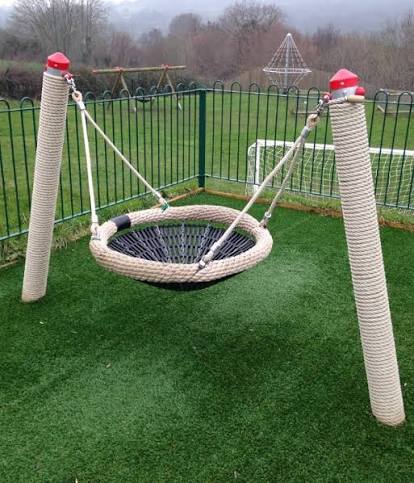
Outdoor Playground Equipment can be designed to encourage cooperation and communication. For example, multi-user swings, interactive panels, group climbing structures, and imaginative play areas give children opportunities to play together.
During group play, children learn how to take turns, communicate their ideas, solve disagreements, and cooperate toward shared goals. These experiences can help develop confidence and social awareness in a natural and enjoyable setting.
A playground that encourages social interaction can also strengthen relationships between families. Parents and caregivers often meet and communicate while their children play, helping create stronger connections within the local community.
Creating Opportunities for Imaginative Play
A truly engaging playground should encourage children to use their imagination. Traditional equipment can provide physical activity, but imaginative features can turn the playground into an environment where children create their own stories and games.
Playhouses, themed structures, tunnels, pretend shops, castles, vehicles, and interactive panels can support creative play. Children might imagine themselves as explorers, builders, shopkeepers, pilots, or adventurers.
Imaginative play allows children to create activities rather than simply follow predetermined functions. This flexibility can make a playground interesting even after children have visited many times.
Community planners can choose themes that complement the surrounding environment or reflect local interests. A nature-inspired playground, for example, might include treehouse-style structures, climbing features, and natural-looking materials.
Designing for Different Age Groups
A community playground may be used by children with different ages, abilities, and interests. Designing the space with these differences in mind can make it more useful and inclusive.
Younger children generally benefit from equipment that is easy to access and designed around their developmental abilities. Older children may need more challenging structures that allow them to test their coordination, balance, and problem-solving skills.
Separating activity zones can help different age groups enjoy the playground comfortably. A toddler area can feature smaller slides, low platforms, and simple interactive activities, while another section can include more challenging equipment for older children.
Clear organization also helps caregivers supervise children more easily. When equipment is positioned thoughtfully, adults can maintain good visibility across the play area.
Promoting Inclusive Play
An engaging community playground should be welcoming to children with different physical and developmental abilities. Inclusive design allows more children to participate in outdoor activities together rather than creating separate experiences.
Accessible ramps, wide pathways, transfer platforms, inclusive swings, sensory panels, and ground-level activities are examples of features that can support broader participation.
Inclusive Outdoor Playground Equipment can also benefit children who do not have disabilities. Different children can use the same equipment in different ways, encouraging cooperation and shared experiences.
When playgrounds are designed with accessibility in mind from the beginning, they can become valuable community spaces where more families feel comfortable spending time together.
Making Safety a Priority
Safety should always be an important consideration when developing a community playground. Attractive equipment is valuable, but it must also be designed and installed appropriately for regular use.
Equipment should be selected according to the expected age groups and activity levels. Protective surfacing beneath and around equipment can help reduce the impact of accidental falls. Adequate spacing between structures can also provide children with enough room to move safely.
Regular inspections and maintenance are equally important. Playground operators should check equipment for loose components, damaged surfaces, sharp edges, excessive wear, and other potential problems.
A clean and properly maintained play area gives parents greater confidence and helps ensure that children can enjoy the space regularly.
Using Space Efficiently
Community areas often have limited space, so playground planning should focus on making the most of every available section. A good layout can combine several types of activities without making the area feel crowded.
Multi-functional structures are especially useful because they can provide climbing, sliding, balancing, and interactive activities within a single installation. Paths between different activity zones can also create opportunities for movement and exploration.
Seating areas should be included for parents, caregivers, and older family members. Shade structures, benches, landscaping, and nearby waste bins can make the entire environment more comfortable and practical.
Thoughtful space planning ensures that the playground is useful not only for children but also for the adults who accompany them.
Adding Natural and Sensory Features
Natural elements can make a community playground feel more attractive and connected to its surroundings. Trees, plants, rocks, gardens, and natural textures can complement manufactured playground structures.
Sensory features can provide additional ways for children to explore. Musical panels, textured surfaces, interactive games, and water-related play features can engage different senses while encouraging curiosity.
Combining natural elements with Outdoor Playground Equipment can create a more diverse play environment. Children can move between active equipment, quiet exploration areas, and imaginative spaces according to their interests.
Building a Stronger Community
A successful playground can become much more than a collection of play structures. It can serve as a gathering place where families spend time together and neighbors develop stronger relationships.
Community playgrounds can also support local events, outdoor educational activities, recreational programs, and family gatherings. When the space is attractive and comfortable, people are more likely to use it regularly.
In this way, investing in quality playground equipment can contribute to the overall appeal and social value of a neighborhood. A thoughtfully designed play area can encourage outdoor activity while creating a shared space that brings people together.
Choosing the Right Playground Equipment
Selecting the right equipment requires careful consideration of the community’s needs. Planners should think about the available space, expected number of users, age groups, accessibility requirements, safety considerations, maintenance needs, and available budget.
Working with an experienced playground equipment provider can make the planning process easier. A reliable provider can help recommend suitable structures, layouts, materials, and features based on the specific requirements of the project.
Durability is another important factor. Community playgrounds often receive frequent use, so equipment should be designed to withstand regular activity and changing outdoor conditions. High-quality materials and proper maintenance can help extend the useful life of the installation.
Conclusion
Outdoor play areas can have a lasting positive impact on communities by giving children a place to exercise, socialize, explore, and develop their creativity. The right Outdoor Playground Equipment can turn an unused or ordinary outdoor space into an engaging destination for families.
By combining physical activity equipment, imaginative play features, inclusive designs, natural elements, safe layouts, and comfortable community facilities, planners can create playgrounds that appeal to a wide range of users. A successful community playground is not simply about having more equipment; it is about creating a balanced environment where children feel encouraged to play, explore, and connect with others.
With thoughtful planning, quality equipment, and regular maintenance, community play areas can become valuable long-term spaces that support healthier, happier, and more connected neighborhoods.