
Starting a trampoline park can be an exciting business opportunity, but choosing the right equipment supplier is one of the most important decisions you will make. The quality, design, safety, and trampoline park manufacturer durability of your equipment can directly affect customer satisfaction and the long-term success of your facility. For this reason, selecting a reliable trampoline park manufacturer should be approached carefully.
A trusted manufacturer should provide more than attractive trampoline equipment. They should understand commercial recreational facilities, offer dependable products, follow recognized safety practices, and provide support throughout the project. Whether you are opening a small indoor attraction or developing a large entertainment center, the right manufacturing partner can make the process easier and more reliable.
Understand Your Trampoline Park Requirements
Before contacting manufacturers, define what you want to build. Your requirements will depend on the available space, target customers, budget, and business concept.
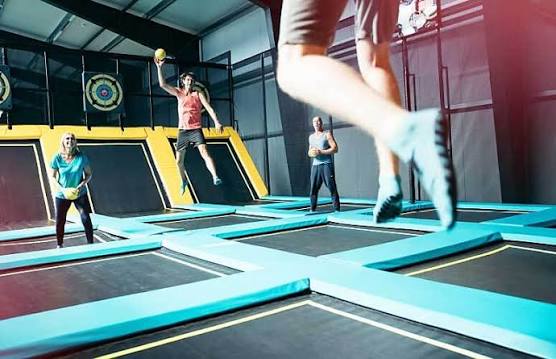
Consider the size of your facility and determine how much space can be dedicated to trampoline activities. You may want to include interconnected trampolines, dodgeball courts, basketball trampoline areas, foam pits, climbing features, obstacle courses, or other attractions.
Think about your target audience as well. A park designed primarily for children may require a different layout from a facility intended for teenagers, families, or mixed-age visitors. Clearly understanding your concept will help you communicate your needs to potential manufacturers.
Research the Manufacturer’s Experience
Experience is one of the first factors to evaluate when choosing a trampoline park manufacturer. A company with extensive industry experience is more likely to understand the practical requirements of commercial trampoline parks.
Look at how long the manufacturer has been operating and examine the types of projects they have completed. A manufacturer that has supplied equipment for different facilities may have valuable knowledge about space planning, installation, customer flow, and equipment selection.
You should also investigate whether the company specializes in commercial equipment rather than simply selling products designed for residential use. Commercial trampoline parks experience significantly higher traffic, so equipment needs to be designed for frequent use.
Examine Product Quality
Product quality should be a major consideration because trampoline park equipment must withstand continuous activity. Before making a purchase, ask manufacturers about the materials used in frames, springs, padding, trampoline surfaces, safety barriers, and other components.
Durable materials can help reduce maintenance requirements and extend the useful life of your investment. Pay attention to the construction of connection points and structural components because these areas can experience considerable stress during regular operation.
Ask whether replacement parts are available and how easily damaged or worn components can be replaced. A manufacturer that maintains a reliable supply of replacement parts can help you keep your facility operating efficiently.
Prioritize Safety Standards
Safety should always be at the center of your equipment selection process. A reputable manufacturer should be able to explain the safety features incorporated into its trampoline systems and provide relevant documentation.
Ask about the manufacturer’s testing procedures, quality-control processes, padding systems, structural design, and safety barriers. Depending on your location, there may also be specific regulations, standards, or inspection requirements that apply to commercial recreational equipment.
Do not rely solely on marketing claims. Request technical documentation and certifications where applicable. You can also consult local professionals or inspectors to determine which requirements your planned facility must meet.
A responsible manufacturer should take safety seriously and be willing to answer detailed questions about the design and installation of its equipment.
Review Custom Design Capabilities
Every trampoline park has different requirements. The available building space, ceiling height, entrances, support columns, emergency exits, and other structural features can influence the final design.
A good manufacturer should be able to provide customized planning rather than offering only standard layouts. Ask whether the company has an experienced design team that can create a layout based on your floor plan.
The manufacturer may be able to provide drawings, 3D visualizations, equipment arrangements, and recommendations for maximizing available space. A thoughtful design can help create better customer movement while making the park visually appealing.
Compare Prices Carefully
Price is naturally an important factor, but the cheapest quotation is not necessarily the best option. Low-cost equipment may have differences in materials, construction, safety features, customization, installation, or after-sales support.
When comparing manufacturers, request detailed quotations that explain what is included. The total project cost may involve equipment, transportation, installation, design services, spare parts, taxes, and other expenses.
Comparing complete packages rather than individual prices can help you understand the true value of each proposal. A manufacturer offering slightly higher-quality equipment and better support may provide greater value over the life of your business.
Check Installation and Training Support
Installing a trampoline park requires careful attention to structural connections, padding, spacing, and other details. Ask manufacturers whether professional installation is available and whether their installation teams have experience with commercial facilities.
Training is another valuable service. Your staff should understand basic equipment inspections, operating procedures, and safety practices. Some manufacturers provide operational guidance or training programs as part of their services.
Find out what support you will receive before, during, and after installation. Clear communication can prevent misunderstandings and help your project stay on schedule.
Evaluate Customer Reviews and Past Projects
Customer feedback can provide useful insight into a manufacturer’s reliability. Search for reviews from businesses that have purchased similar equipment and pay attention to comments about product quality, communication, delivery, installation, and after-sales service.
Ask the manufacturer for examples of completed projects. If possible, study photographs and project details to evaluate the quality of their work.
You can also ask whether previous customers are available as references. Speaking with another business owner can help you understand what it was actually like to work with the manufacturer.
Consider Warranty and After-Sales Service
A strong warranty can provide valuable protection for your investment. Before signing a contract, carefully review the warranty terms and understand which components are covered and for how long.
Ask how warranty claims are handled and whether technical assistance is available after installation. You should also find out how replacement parts are ordered and how quickly they can normally be supplied.
Reliable after-sales service is especially important because even high-quality equipment can eventually require maintenance or replacement components.
Assess Communication and Professionalism
Communication is often overlooked during the selection process, but it can have a major impact on your project. A trustworthy manufacturer should respond clearly to your questions and provide accurate information about pricing, production times, shipping, installation, and project requirements.
Be cautious if a company avoids technical questions, provides unclear quotations, makes unrealistic promises, or pressures you to make a quick decision.
A professional manufacturer should be interested in understanding your business goals rather than simply completing a sale.
Make a Long-Term Decision
Choosing a trampoline park manufacturer is not simply about purchasing equipment. You are selecting a business partner that can influence the quality, safety, appearance, and operational efficiency of your facility.
Take time to compare manufacturers based on experience, product quality, safety practices, customization, pricing, installation, warranties, customer feedback, and ongoing support. Request detailed proposals from several companies and evaluate each one carefully.
The right manufacturer should provide dependable equipment while helping you create a trampoline park that is attractive, functional, and suitable for your target customers. By conducting thorough research and focusing on long-term value rather than the lowest initial price, you can make a more confident investment decision and build a stronger foundation for your business.