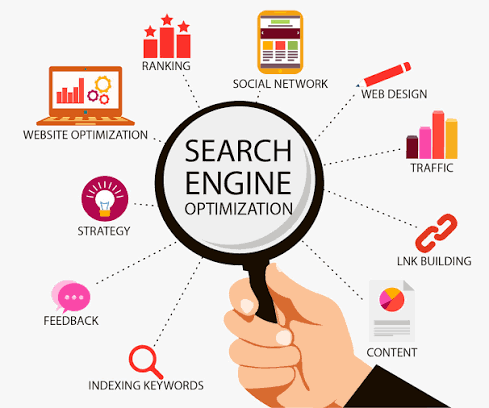

Small businesses face a challenging digital environment where large companies, established brands, and countless local competitors compete for the same customers. Having a website is no longer enough to attract visitors or generate consistent leads. Businesses need to make sure their websites can be discovered when potential customers search for relevant products and services. This is where seo services can make a meaningful difference.
Search engine optimization helps improve a website’s visibility in search results by making its content, structure, and online presence more useful and relevant to both search engines and users. With a focused SEO strategy, small businesses can compete for valuable search traffic without relying entirely on expensive advertising campaigns.
Why SEO Matters for Small Businesses
Small businesses often operate with limited marketing budgets. Paid advertising can provide quick exposure, but costs can increase as competition grows. SEO offers a more sustainable approach by helping a website earn organic visibility over time.
When a business appears prominently for searches related to its services, potential customers can discover it naturally. This can increase website traffic, inquiries, phone calls, bookings, and sales. More importantly, strong organic visibility can continue producing results after individual optimization tasks have been completed.
SEO also helps establish credibility. Users often view businesses appearing prominently in search results as more relevant or trustworthy. A well-optimized website with useful information can therefore support both visibility and customer confidence.
Understanding the Needs of Small Businesses
Effective SEO is not a one-size-fits-all process. A small local bakery, an online clothing store, a professional service provider, and a technology company may all require completely different strategies.
Before beginning optimization, businesses should identify their target audience, products or services, geographic market, competitors, and business goals. This information helps SEO professionals select relevant keywords and create a strategy designed around realistic opportunities.
Small businesses can benefit from focusing on specific search terms rather than attempting to rank immediately for extremely broad keywords. More targeted phrases often have stronger commercial intent and may be easier to compete for.
Keyword Research Creates a Strong Foundation
Keyword research is one of the most important parts of an SEO campaign. It identifies the words and phrases potential customers use when searching for information, products, or services.
For small businesses, keyword selection should consider search relevance, competition, user intent, and business value. Instead of targeting only general terms, a company may focus on specific product names, service-related phrases, location-based searches, and long-tail keywords.
For example, a company offering accounting services might benefit from targeting specific phrases related to small-business accounting, bookkeeping services, or accounting services in a particular city. These searches can connect the business with people who have a clearer need.
Optimizing Website Content
High-quality content plays a major role in modern SEO. Search engines aim to provide users with helpful and relevant results, so businesses should create content that genuinely answers customer questions and addresses their needs.
Important website pages should have clear titles, useful headings, natural keyword usage, informative descriptions, and easy-to-understand language. Content should never be written simply to insert keywords repeatedly.
Small businesses can also create blogs, guides, FAQs, service explanations, case studies, and educational resources. These pages can target additional search queries while demonstrating knowledge within the company’s industry.
Consistent content creation can gradually expand the number of relevant searches for which a website has an opportunity to appear.
Technical SEO Improves Website Performance
A website can have excellent content but still struggle in search results if technical problems prevent search engines or visitors from using it effectively.
Technical SEO focuses on areas such as website structure, mobile usability, page speed, crawlability, indexing, internal linking, broken links, and other technical factors.
Small businesses should make sure their websites work properly across computers, tablets, and smartphones. Pages should load efficiently, navigation should be straightforward, and important information should be easy to find.
A technically sound website provides a better experience for visitors while making it easier for search engines to understand and access its content.
Local SEO Helps Businesses Reach Nearby Customers
For businesses serving specific geographic areas, local SEO can be especially valuable. Customers frequently search for businesses near them when they need restaurants, repair services, healthcare providers, professional services, stores, and other local offerings.
A strong local SEO strategy can include optimizing business information, creating location-focused content, maintaining consistent contact details, and developing a strong presence across relevant local platforms.
Customer reviews can also contribute to a business’s online reputation. Encouraging genuine customers to share honest feedback can provide future visitors with useful information and increase trust.
Building Authority Through Quality Links
Links from other reputable websites can help strengthen a website’s authority and online visibility. However, small businesses should focus on quality rather than simply collecting large numbers of links.
Useful link-building opportunities may include industry publications, local organizations, relevant directories, business partnerships, community websites, and valuable guest content. The goal should be to earn links that make sense within the business’s industry and audience.
A natural backlink profile developed through valuable content and legitimate relationships can support long-term SEO growth more effectively than low-quality or manipulative tactics.
Measuring SEO Performance
SEO requires ongoing measurement because search visibility can change as competitors, search algorithms, customer behavior, and markets evolve.
Businesses should monitor meaningful performance indicators such as organic traffic, keyword rankings, leads, conversions, engagement, and visibility for important search terms. Looking only at rankings may not provide a complete picture.
For example, a keyword ranking improvement is valuable, but the real business benefit comes when that visibility attracts qualified visitors who take meaningful actions.
Regular reporting allows businesses to understand what is working and where improvements are needed.
Choosing the Right SEO Service Provider
Selecting an SEO provider is an important decision for a small business. Companies should look for providers that communicate clearly, explain their strategies, set realistic expectations, and provide transparent reporting.
A professional SEO provider should take time to understand the business rather than applying the same package to every client. The provider should also explain which activities will be performed and how success will be evaluated.
Businesses should be cautious about promises of instant rankings or guaranteed positions. SEO is a long-term marketing process, and sustainable results typically require consistent optimization and adaptation.
Creating a Sustainable SEO Strategy
Successful SEO is built through continuous improvement. Search engines regularly evolve, competitors publish new content, and customer search behavior changes. A strategy that works today may need adjustments in the future.
Small businesses can strengthen their results by regularly updating important pages, publishing useful content, improving technical performance, earning relevant links, monitoring competitors, and analyzing customer behavior.
The advantage of this approach is that each improvement can contribute to a stronger digital foundation. Over time, multiple optimized pages and reliable online signals can create a broader presence across relevant searches.
Conclusion
SEO services for small businesses provide an effective way to build online visibility and compete in increasingly crowded markets. Through targeted keyword research, valuable content, technical optimization, local SEO, quality link building, and continuous performance analysis, small businesses can create a stronger presence in search results.
SEO does not replace every other marketing channel, but it can become an important part of a balanced digital strategy. By focusing on relevant customers, useful information, and sustainable optimization rather than shortcuts, small businesses can gradually increase organic visibility, attract qualified visitors, and build lasting opportunities for growth.