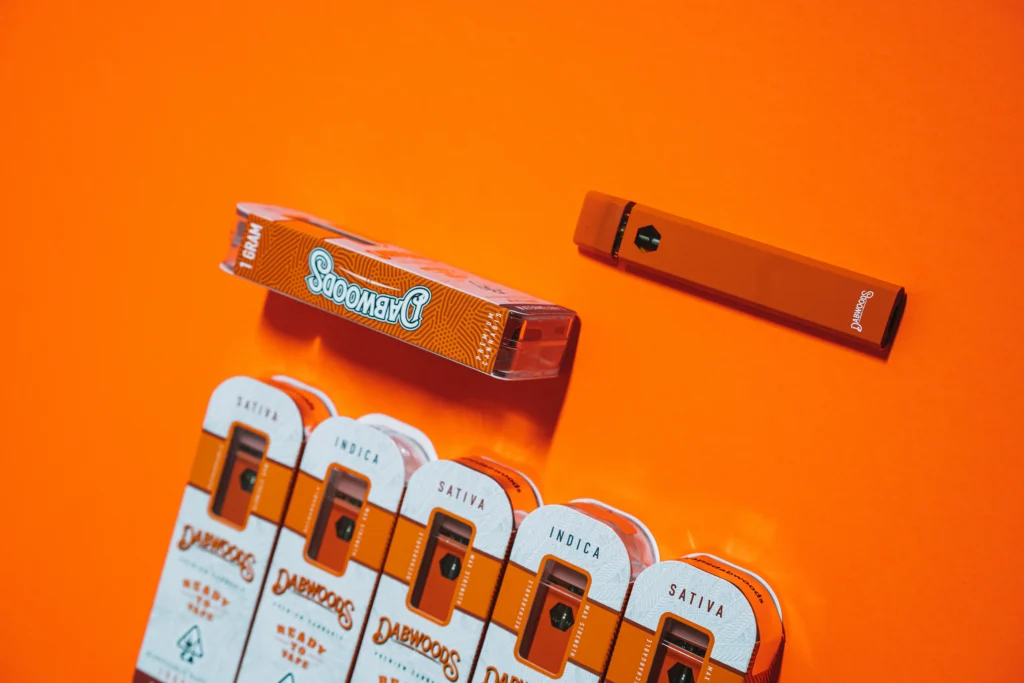

The popularity of dabwood products has grown rapidly in recent years, especially among users who prefer concentrated cannabis experiences. Many people enjoy dabwood for its strong flavor, potency, and convenience, but fewer truly understand how it is made and what goes into it. Knowing the process and ingredients behind dabwood helps users make informed decisions, recognize quality products, and understand why production methods matter so much.
This article explains how dabwood is made step by step, from raw materials to the final product, while clearly outlining the key ingredients involved.
Understanding Dabwood
Dabwood generally refers to cannabis vape products designed to deliver concentrated THC through cartridges or disposable vape devices. Dabwood products are inspired by dabbing culture, where cannabis concentrates are vaporized for fast and powerful effects. Instead of traditional flower, dabwood focuses on extracts that preserve cannabinoids and terpenes in a more concentrated form.
The manufacturing process is highly technical and requires specialized equipment, controlled environments, and strict quality standards. Each step directly impacts flavor, safety, and overall user experience.
Raw Materials Used in Dabwood
Before production begins, manufacturers carefully select their raw materials. The quality of dabwood depends heavily on what goes into it.
Cannabis Flower Selection
High-quality cannabis flower is the foundation of dabwood. Growers cultivate plants specifically for extraction, focusing on strains with high THC content and rich terpene profiles. Factors such as genetics, growing conditions, harvest timing, and curing all influence the final extract.
Only mature, properly cured cannabis flowers are chosen. Poor-quality flower can result in harsh flavor, low potency, and unwanted contaminants in the final dabwood product.
Terpenes
Terpenes are aromatic compounds naturally found in cannabis. They are responsible for flavor, aroma, and some effects. During extraction, many natural terpenes can be lost, so manufacturers may reintroduce cannabis-derived or botanical terpenes later in the process.
High-quality dabwood aims to replicate the natural strain profile by carefully blending terpenes back into the concentrate.
Carrier Oils and Additives
In some vape products, a small amount of thinning agent may be used to improve consistency and vaporization. However, premium dabwood products limit additives and focus on maintaining purity. Reputable manufacturers avoid harmful substances and follow safety guidelines to ensure a clean inhalation experience.
The Dabwood Production Process
The process of making dabwood involves several precise steps, each designed to extract and refine cannabinoids while preserving flavor and potency.
Extraction of Cannabis Concentrate
Extraction is the most critical stage in making dabwood. This step separates cannabinoids and terpenes from the plant material.
Hydrocarbon Extraction
One of the most common methods is hydrocarbon extraction, typically using butane or propane. The solvent passes through cannabis flower, dissolving cannabinoids and terpenes. The resulting solution is then carefully purged to remove residual solvent.
This method is popular because it preserves flavor and creates a potent, aromatic concentrate ideal for dabwood.
CO₂ Extraction
Some producers use supercritical CO₂ extraction. This method uses pressurized carbon dioxide to extract cannabinoids without leaving behind solvent residue. CO₂ extraction is known for safety and cleanliness, although it may produce a slightly different flavor profile compared to hydrocarbon methods.
Both methods require professional equipment and trained technicians to ensure consistency and safety.
Purging and Refinement
After extraction, the concentrate undergoes a purging process. Heat and vacuum pressure remove any remaining solvents, resulting in a cleaner product. Proper purging is essential because leftover solvents can affect taste and safety.
At this stage, the concentrate may appear as wax, sauce, or oil, depending on processing techniques. For dabwood, the concentrate is refined into a smooth, vape-ready consistency.
Winterization and Filtration
Winterization is an optional but common refinement step. The concentrate is mixed with alcohol and frozen to remove fats, lipids, and waxes. These unwanted components are filtered out, creating a cleaner and smoother final product.
This step improves clarity, flavor, and vapor quality, which are important characteristics of dabwood products.
Decarboxylation
Decarboxylation activates THC by applying controlled heat. Raw cannabis contains THCA, which must be converted into THC to produce psychoactive effects. During dabwood production, decarboxylation ensures that the concentrate delivers its intended potency when vaporized.
Precise temperature control is essential to avoid degrading cannabinoids or terpenes.
Blending and Flavor Development
Once the concentrate is activated, manufacturers fine-tune the formula.
Terpene Reintroduction
Terpenes are carefully blended into the concentrate to enhance flavor and aroma. Some producers use strain-specific terpene profiles to mimic popular cannabis strains. Others create custom blends designed for unique taste experiences.
This step plays a major role in distinguishing premium dabwood products from lower-quality alternatives.
Consistency Adjustment
The oil must have the right thickness to work properly in vape cartridges or disposable devices. If the concentrate is too thick, it may clog the device. If it is too thin, it may leak or vaporize unevenly. Skilled manufacturers balance viscosity without compromising purity.
Filling and Assembly
After blending, the finished dabwood oil is filled into cartridges or disposable vape pens. This process is typically done using automated filling machines to ensure accurate dosing and minimal exposure to air.
Each unit is sealed, labeled, and prepared for distribution. Proper storage conditions are maintained to protect the product from heat, light, and oxidation.
Quality Control and Testing
Quality control is a vital part of dabwood production. Reputable manufacturers test their products for potency, terpene content, residual solvents, pesticides, heavy metals, and microbial contamination.
Laboratory testing ensures that dabwood meets regulatory standards and provides a consistent experience for users. Products that fail testing are rejected and never reach the market.
Final Packaging and Distribution
Once testing is complete, dabwood products are packaged in child-resistant and tamper-evident containers. Labels typically include strain information, THC levels, batch numbers, and usage warnings.
From there, products are distributed to licensed retailers where consumers can purchase them legally, depending on local regulations.
Why the Process Matters
The way dabwood is made directly affects safety, flavor, and effectiveness. Poor extraction, improper purging, or low-quality ingredients can result in harsh vapor and potential health risks. High-quality dabwood reflects careful sourcing, precise extraction, and strict quality standards.
Understanding the process empowers consumers to choose products from trustworthy manufacturers and avoid questionable alternatives.
Conclusion
The production of dabwood is a complex and carefully controlled process that transforms cannabis flower into a potent, flavorful vape product. From selecting premium raw materials to extraction, refinement, blending, and testing, every step plays a crucial role in the final experience.
By knowing how dabwood is made and what ingredients are involved, users can better appreciate the craftsmanship behind it and make informed choices. As the industry continues to evolve, transparency and quality will remain key factors shaping the future of dabwood products.
