
Introduction
Technology is transforming the way people understand their health, monitor daily activities, and work toward fitness goals. From smartwatches to fitness bands and mobile health applications, wearable devices have become valuable tools for people who want to develop healthier routines. Among these innovations, smart rings are gaining attention because they combine compact designs with convenient health-tracking features.
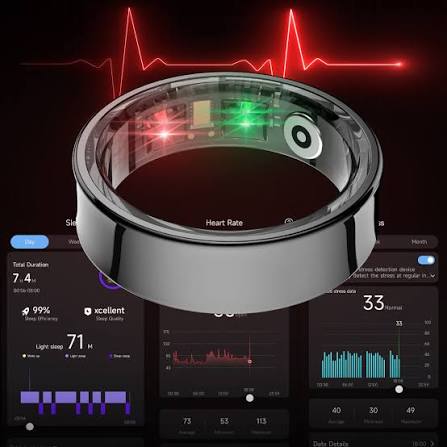
Unlike traditional fitness trackers, smart rings are designed to fit comfortably on a finger while collecting information about different aspects of everyday health. Depending on the model, they can monitor heart rate, sleep patterns, activity levels, and other wellness indicators. Their small size makes them an attractive alternative for people who prefer wearable technology without the appearance or bulk of a smartwatch.
The growing interest in affordable wearable technology has also encouraged consumers to explore products that provide useful features at accessible prices. Searching for a budget smart ring with heart rate tracking can help users discover options that suit their needs without requiring a large investment. Products such as the Colmi R09 smart ring have attracted attention from consumers interested in exploring smart-ring technology and its potential role in everyday fitness routines.
As wearable devices continue to evolve, smart rings are changing how people collect health information, recognize personal patterns, and make informed lifestyle decisions.
What Is a Smart Ring?
A smart ring is a wearable electronic device designed to collect selected health, fitness, and activity information. It typically contains miniature sensors, electronic components, and a rechargeable battery within a compact ring-shaped structure.
The ring communicates with a compatible smartphone application, where users can review their measurements and track changes over time. Depending on its capabilities, a smart ring may offer features such as heart-rate monitoring, sleep tracking, step counting, activity recording, and wellness summaries.
How Smart Rings Work
Smart rings use small sensors to collect information from the wearer’s body or movements. Optical sensors, for example, may use light to estimate heart rate by detecting changes in blood volume beneath the skin. Motion sensors can help identify movement patterns and estimate daily activity.
The collected information is processed by the device and transferred to a smartphone through a wireless connection, commonly Bluetooth. The companion application then organizes the available measurements into charts, summaries, or historical records.
Although the technology is sophisticated, the experience is usually straightforward. Users wear the ring, synchronize it with their phones, and review the available information through an application.
Why Smart Rings Are Becoming Popular
One major reason for the popularity of smart rings is convenience. Some people find wrist-based wearables uncomfortable, distracting, or inconvenient during particular activities. A lightweight ring offers another way to access selected tracking features without wearing a device on the wrist.
Smart rings also appeal to people who prefer minimal accessories. Their discreet appearance can make them suitable for work, travel, exercise, and everyday activities.
As manufacturers develop smaller components and improve battery efficiency, smart rings are becoming an increasingly interesting option for consumers exploring wearable health technology.
Heart Rate Tracking Makes Fitness Monitoring More Accessible
Heart rate is an important measurement for understanding how the body responds to movement, exercise, stress, and rest. Monitoring it can help users recognize general patterns and better understand the intensity of their physical activities.
Understanding Heart Rate Measurements
Heart rate refers to the number of times the heart beats in one minute. Wearable devices may estimate this measurement throughout the day or during selected activities, depending on their software and sensor capabilities.
For people who exercise regularly, heart-rate information can provide additional context about workout intensity. Someone taking a brisk walk, for example, may compare heart-rate readings from different sessions to observe how the body responds to similar activities.
However, heart rate naturally changes with temperature, emotions, hydration, illness, and physical effort. A single reading should not be treated as a complete assessment of overall health.
Supporting Everyday Fitness Goals
Smart rings can make fitness tracking more convenient by collecting information without requiring users to start and stop every activity manually. When supported by the device, automatic measurements may help users review general trends throughout the day.
A person trying to establish a regular walking routine might use a smart ring to review activity summaries and heart-rate information. Someone beginning a new exercise program could use the collected data as one source of feedback when evaluating how different activities feel.
The goal is not to chase a particular number constantly. Instead, the information can help users develop a better understanding of their habits and make gradual, sustainable improvements.
Exploring Affordable Heart Rate Tracking
Not everyone needs an expensive wearable with a large display, advanced navigation, or extensive sports features. For many beginners, basic health-tracking capabilities may be enough to make wearable technology useful.
A budget smart ring with heart rate tracking can be an appealing starting point for consumers who want to explore everyday wellness measurements while keeping costs manageable.
When evaluating affordable devices, shoppers should compare supported features, sensor performance, application compatibility, battery life, charging methods, and available customer support. It is also important to distinguish between features advertised by a manufacturer and measurements independently validated for accuracy.
Sleep Tracking and the Importance of Rest
Sleep is an essential part of everyday well-being. Adequate rest supports concentration, learning, mood, and physical recovery. Nevertheless, many people struggle to maintain consistent sleeping habits because of busy schedules, screen use, work demands, or irregular routines.
Smart rings can help users observe their sleeping patterns through features available on supported models.
Understanding Sleep Patterns
Depending on the device, a smart ring may estimate total sleep duration, sleep timing, periods of movement, and different sleep stages. These measurements are generally calculated using a combination of movement and physiological signals.
The resulting reports can help users identify broad patterns. For example, someone may notice that their sleep schedule changes considerably on weekends or that late-night activities are associated with shorter sleeping periods.
Such observations can encourage practical adjustments, including maintaining a consistent bedtime, creating a relaxing nighttime routine, and reducing distractions before sleep.
Supporting Better Recovery Habits
Rest and recovery are important for people who participate in sports, exercise regularly, or maintain physically demanding schedules. Sleep information can provide additional context when reviewing training habits and everyday energy levels.
However, smart-ring sleep stages are estimates rather than direct measurements of brain activity. They should not be treated as definitive medical assessments or used to diagnose sleep disorders.
If persistent sleep difficulties affect daily life, professional medical advice is more appropriate than relying exclusively on wearable data.
Daily Activity Tracking Without a Bulky Device
Physical activity is an important part of maintaining general health. Walking, cycling, dancing, household tasks, and structured workouts all contribute to movement throughout the day.
Smart rings can support activity awareness through motion sensors and compatible tracking applications.
Monitoring Everyday Movement
Depending on the model, a smart ring may estimate steps, activity duration, or other movement-related information. These measurements provide an overview of how active someone has been during a particular period.
For example, a student who spends long hours studying might discover through activity summaries that most of the day involves sitting. This information could encourage short walking breaks between study sessions.
Similarly, someone working at a desk may use activity reminders, if available, to create more opportunities for movement.
Building Consistent Fitness Routines
Fitness progress often depends on consistency rather than occasional intense workouts. Wearable tracking can help users set realistic goals, observe their routines, and celebrate improvements over time.
A person could begin by tracking daily walks and gradually develop a schedule that includes additional physical activities. Reviewing weekly summaries may make it easier to recognize progress without focusing excessively on individual readings.
Nevertheless, activity estimates can differ between devices. Consumers should understand that step counts, calorie estimates, and workout classifications are not perfectly precise.
The Colmi R09 Smart Ring and Affordable Wearable Technology
As interest in smart rings grows, consumers are paying more attention to devices that balance functionality, comfort, and affordability. The Colmi R09 smart ring is one product people may encounter when researching accessible smart-ring options.
For consumers who want to explore ring-based tracking, examining the product’s available specifications and companion application can help determine whether it meets their expectations.
Features to Evaluate Before Buying
Before choosing the buy colmi r09 or another smart ring, shoppers should verify which functions are supported by the exact model and software version available to them.
Important considerations include heart-rate monitoring, sleep-related measurements, activity tracking, smartphone compatibility, battery performance, charging requirements, and water-resistance specifications.
Not every smart ring offers the same features. Some provide only basic tracking, while others include additional wellness measurements or more detailed application reports. Feature availability can also depend on the phone operating system and the manufacturer’s application.
Buyers should therefore consult current product documentation rather than assuming that every advertised smart-ring capability is available on every device.
Is an Affordable Smart Ring Worth Considering?
An affordable ring may be worth considering for someone who wants a simple introduction to wearable tracking. It can provide an opportunity to explore daily measurements and determine whether reviewing wellness data becomes a useful part of an everyday routine.
However, a lower purchase price should not be the only deciding factor. Comfort, sizing, software reliability, measurement consistency, privacy practices, and warranty coverage are also important.
The most suitable device is one that offers useful features, fits comfortably, and provides information that the wearer can understand and use responsibly.
Smart Rings Compared With Smartwatches and Fitness Bands
Smart rings, smartwatches, and fitness bands all provide ways to monitor selected activities and health-related measurements. However, they serve somewhat different preferences.
Design and Comfort
Smart rings generally have a compact design without a large screen. This can appeal to people who prefer discreet technology or do not want another display competing for their attention.
Smartwatches provide larger screens, making it easier to view notifications, read messages, review workout information, and interact with applications directly from the wrist.
Fitness bands often occupy a middle ground, offering a lightweight design with a display or simple controls, depending on the model.
Features and Functionality
Smartwatches commonly offer broader functionality, including smartphone notifications, exercise modes, timers, and sometimes navigation features. Fitness bands may focus more heavily on basic activity tracking and selected wellness measurements.
Smart rings prioritize compactness and convenient monitoring. Their available features vary, and they may lack the detailed on-device controls found on many smartwatches.
Price and Personal Preference
Prices differ considerably across all three categories. Some smart rings are affordable, while advanced models can cost more than entry-level smartwatches or fitness bands.
Consumers should compare the total cost, supported features, and ongoing software requirements instead of assuming that one category is automatically better than another.
Ultimately, the right wearable depends on individual needs. Someone who wants detailed workout controls may prefer a smartwatch, while someone who values a smaller accessory may prefer a smart ring.
Understanding the Limitations of Smart Rings
Although smart rings offer convenient tracking, they have limitations that consumers should understand before relying on their measurements.
Sensor Accuracy Can Vary
Wearable measurements can be affected by movement, fit, skin characteristics, temperature, and sensor design. A ring that fits poorly may collect less reliable information, while vigorous movement can interfere with some optical measurements.
Heart-rate estimates are useful for general tracking but may differ from measurements obtained using clinical equipment. Calorie expenditure and sleep-stage estimates also have limitations.
Users should focus on broad patterns instead of treating every reading as exact.
Smart Rings Are Not Medical Diagnostic Devices
Most consumer smart rings are designed for wellness tracking rather than diagnosing medical conditions. Their measurements should not replace professional evaluation, prescribed monitoring, or medical advice.
If a wearable produces an unusual reading, users should consider the context, check whether the device is fitted correctly, and follow appropriate medical guidance when symptoms or concerns arise.
Battery Life and Software Compatibility Matter
A smart ring needs sufficient battery power to collect and synchronize information. Battery life varies with hardware, settings, measurement frequency, and usage.
Software support is equally important. Buyers should confirm that the ring works with their smartphone and that the companion application is available in their region. They should also review whether important features require a subscription or an account.
Understanding these practical details before purchasing can help prevent disappointment.
Privacy and Security in Wearable Health Technology
Smart rings collect personal information that users may consider sensitive. Depending on the device, this information can include heart-rate measurements, sleep patterns, movement records, and other wellness-related data.
Because these devices often synchronize with mobile applications and online services, consumers should understand how their information is collected, stored, and used.
Reviewing Data Permissions
Before connecting a smart ring to a smartphone, users should review the application’s privacy policy and requested permissions. An application should not need access to unrelated information simply to provide basic tracking features.
Strong account security, updated software, and careful permission management can help protect personal information.
Choosing Brands Responsibly
Consumers should consider whether the manufacturer explains its data practices clearly and provides a reasonable way to manage or delete stored information.
Affordable technology should still meet appropriate expectations for transparency and security. Price alone does not establish whether a device handles information responsibly.
The Future of Smart Rings
Smart-ring technology continues to develop as manufacturers explore smaller sensors, improved power efficiency, and more useful software experiences.
Future products may offer more consistent measurements, clearer explanations of personal trends, and better integration with other wellness platforms. Advances in sensor technology could also improve the usefulness of selected measurements, although performance will depend on testing and implementation.
More Personalized Wellness Insights
One promising direction is the presentation of information in ways that are easier to understand. Instead of simply displaying a collection of numbers, applications can help users recognize changes in their usual activity and sleep patterns.
For example, an application might summarize differences between recent sleep schedules or show how activity levels change throughout a week. Such summaries can support reflection and encourage practical lifestyle adjustments.
These insights should remain understandable and appropriately qualified rather than presenting uncertain estimates as medical conclusions.
Greater Accessibility for More Consumers
As wearable technology becomes more diverse, consumers may gain access to a wider selection of devices at different price points.
Affordable options could help more people experiment with health tracking, particularly those who do not want to invest in a premium smartwatch. However, accessibility should involve more than low prices. Comfort, reliable software, understandable reporting, and responsible data handling are also essential.
How to Make the Most of a Smart Ring
Using a smart ring effectively begins with setting realistic expectations. Rather than attempting to monitor every available measurement, users can focus on the information most relevant to their daily routines.
Establish Simple Goals
Start with manageable objectives, such as developing a consistent sleep schedule, increasing everyday movement, or learning how heart rate responds to different activities.
Use the ring’s supported features to review general trends and make small changes when appropriate.
Review Trends Instead of Individual Numbers
A single measurement may be influenced by temporary factors. Looking at information over several days or weeks can provide a more useful picture of everyday habits.
Users should also consider how they feel, how well they function during the day, and whether their routines are sustainable.
Prioritize Comfort and Responsible Use
Choose the correct ring size according to the manufacturer’s guidance and make sure the device feels comfortable during ordinary activities. Follow instructions for charging, cleaning, and water exposure.
Most importantly, remember that wearable technology is a tool for awareness, not a replacement for balanced habits, professional medical care, or personal judgment.
Conclusion
Smart rings are changing the way people approach everyday health and fitness by making selected measurements more convenient to collect and review. Their compact designs, smartphone integration, and potential heart-rate, sleep, and activity-tracking features offer an alternative to traditional wrist-based wearables.
For beginners, a budget smart ring with heart rate tracking may provide an accessible introduction to wearable wellness technology. The Colmi R09 smart ring is one option worth researching when comparing affordable devices, provided buyers verify its current specifications, compatibility, and supported features.
Although smart rings can encourage greater awareness of everyday habits, their measurements have limitations and should not be confused with medical diagnoses. Choosing a suitable device involves balancing affordability, comfort, functionality, privacy, and measurement quality.
As wearable technology advances, smart rings are likely to remain an interesting option for people who want a discreet way to explore their activity and wellness patterns. When combined with realistic goals, consistent routines, and responsible interpretation of data, these small devices can become useful companions in the broader journey toward healthier living.