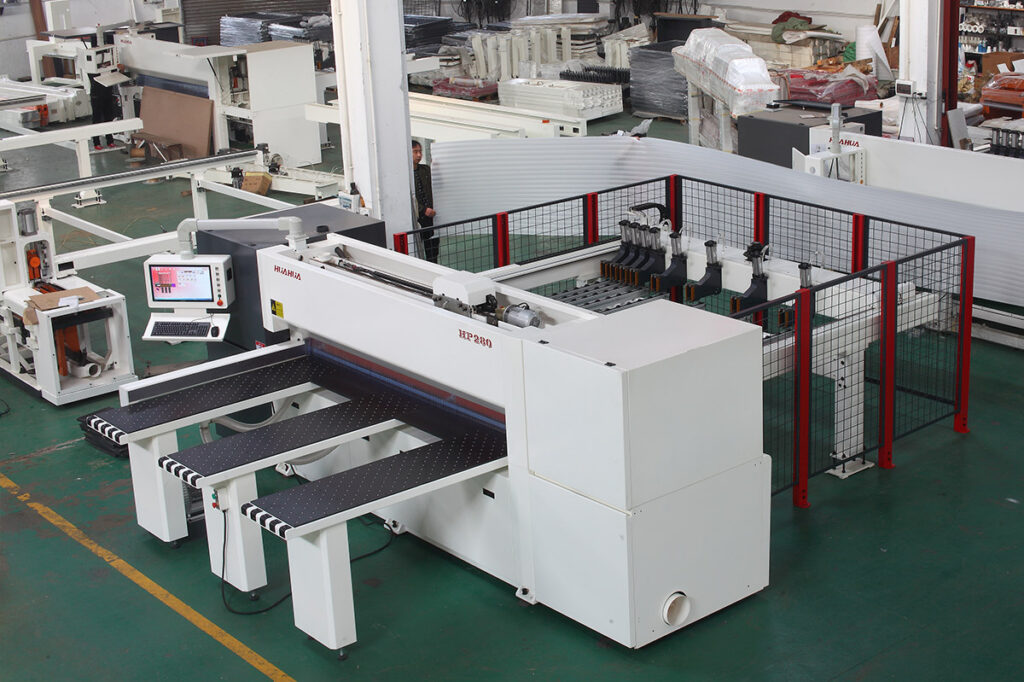

Understanding the Role of a CNC Panel Saw
A CNC Panel Saw is an essential machine in modern woodworking, furniture manufacturing, and industrial production environments. As technology continues to evolve, panel saws have become more advanced, efficient, and capable of delivering exceptional precision. When comparing different models, it’s important to look beyond basic specifications and assess how each machine performs under real working conditions. Performance and reliability are the two biggest factors that determine how well a CNC Panel Saw will serve your business in the long term.
Key Performance Factors to Compare
Cutting Precision and Accuracy
One of the main advantages of investing in a CNC Panel Saw is its ability to deliver high-precision cuts. However, different machines offer different levels of accuracy. Precision depends on the strength of the frame, stability of the cutting system, software calibration, and quality of the blade. When comparing models, look for features such as advanced pilot systems, digital measuring technology, and automated calibration tools. These ensure consistent and dependable accuracy throughout long production cycles.
Cutting Speed and Efficiency
Performance is also determined by how fast a CNC Panel Saw can operate without compromising accuracy. Cutting speed is influenced by the motor power, blade quality, feed system, and the smoothness of the material handling process. Some advanced machines feature dual-speed controls, adjustable feed rates, or rapid blade positioning to speed up production. Higher cutting speeds lead to faster completion times, increased output, and reduced labor costs, making this factor essential for high-volume manufacturers.
Material Handling Capabilities
A reliable CNC Panel Saw should offer smooth and efficient material handling. Many models come with automatic feed systems, air flotation tables, or conveyor mechanisms to streamline cutting operations. These features prevent material shifting, reduce friction, and enhance safety during cutting. For businesses that work with large, heavy, or thick panels, strong material support features are vital to maintaining accuracy and avoiding damage to the surface.
Blade Quality and Cutting Versatility
A high-quality CNC Panel Saw should be capable of cutting various materials, including MDF, plywood, laminates, particleboard, and even some plastic composites. Blade versatility is important if you frequently switch between materials. Consider whether the panel saw supports quick blade-change systems, specialized blade types, or multi-blade configurations. Machines with smart blade systems can automatically adjust speed and pressure depending on the material, helping extend blade life and improve overall performance.
Reliability Factors That Matter Most
Build Quality and Structural Strength
Reliability begins with the overall construction of the CNC Panel Saw. A solid frame ensures reduced vibrations, more stable cutting, and longer machine life. When comparing machines, look for robust steel frames, reinforced components, and high-quality assemblies. A well-designed structure supports smoother operation even during high-speed cutting.
Motor Durability and Power
A powerful and reliable motor is essential for consistent performance. Motors designed for long-term industrial use should be able to operate continuously without overheating or losing efficiency. When comparing machines, check the motor’s horsepower rating, cooling system, and energy efficiency features. A durable motor ensures that the CNC Panel Saw can handle demanding workloads for many years.
Software Stability and Ease of Use
Modern CNC Panel Saw systems rely heavily on software to control every part of the cutting process. Reliable software ensures smooth operation, reduced downtime, and accurate execution of cutting plans. Look for machines equipped with user-friendly interfaces, advanced optimization tools, and frequent software updates. Good software should allow operators to easily input dimensions, optimize cutting layouts, reduce material waste, and track production.
Safety Features and User Protection
Reliability also includes how safe the machine is for operators. Top-quality CNC Panel Saw models prioritize safety through features such as emergency stop buttons, blade guards, overload protection, automatic shut-off systems, and anti-kickback mechanisms. Machines that incorporate multiple layers of safety help protect both the user and the materials being processed.
Comparing Maintenance Needs
Ease of Maintenance and Serviceability
A reliable CNC Panel Saw should not require constant repair or complicated maintenance. Some models include self-cleaning systems, automatic lubrication, and dust extraction features that reduce the time required for upkeep. When comparing different machines, consider how easy it is to access internal parts, replace blades, clean dust filters, or adjust belt systems. Machines with simpler maintenance workflows help reduce downtime and keep operations running smoothly.
Availability of Spare Parts and Support
Even the best machines require occasional replacement parts or technical assistance. Manufacturers that offer strong technical support, readily available spare parts, and training services demonstrate higher long-term reliability. Before purchasing, evaluate the brand’s customer service reputation and availability of local technicians who can diagnose issues quickly.
Energy Efficiency and Cost Considerations
Operating Costs Over Time
A CNC Panel Saw is a major investment, so comparing energy consumption and operational costs is essential. Energy-efficient motors, smart power-saving features, and optimized cutting paths can significantly reduce electricity usage. Lower operating costs not only improve profitability but also make the machine more sustainable for long-term use.
Initial Investment vs. Long-Term Value
Some CNC Panel Saw models may be more expensive upfront but offer better performance and reliability over time. Evaluating total cost of ownership—such as maintenance, downtime, and energy consumption—helps determine which machine delivers the best long-term value.
Customization and Upgrade Potential
Expandability and Future-Proof Design
A reliable CNC Panel Saw should be flexible enough to grow with your business. Look for models that allow upgrades such as enhanced software packages, advanced cutting tools, or automation accessories. Expandable machines provide long-term adaptability and ensure your investment remains functional even as production demands evolve.
Final Thoughts
Comparing the performance and reliability of a CNC Panel Saw requires a thorough evaluation of its precision, speed, construction, software, and long-term maintenance needs. By understanding what features matter most and how different models perform under real-world conditions, you can choose a machine that enhances efficiency, reduces waste, and delivers consistent high-quality results. A well-chosen CNC Panel Saw not only improves your production workflow but also supports your business’s growth for years to come.
