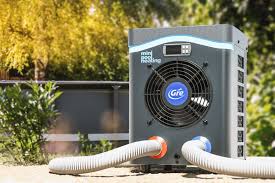

Understanding Residential Heat Pumps and How They Work
Residential heat pumps are becoming one of the most efficient and sustainable solutions for modern home heating and cooling. Unlike traditional systems that generate heat by burning fuel or using high electrical resistance, residential heat pumps transfer heat from one place to another. This simple but powerful principle allows them to provide both heating in winter and cooling in summer using the same system.
At their core, residential heat pumps work by extracting heat from outdoor air, ground, or water sources and moving it indoors during cold months. In hot weather, the process reverses, and the system removes heat from inside the home and releases it outdoors. This heat transfer method makes residential heat pumps highly energy-efficient compared to conventional HVAC systems.
Because they do not rely on combustion, residential heat pumps also produce fewer carbon emissions, making them an environmentally friendly choice for homeowners who want to reduce their energy footprint.
Types of Residential Heat Pumps
There are several types of residential heat pumps available, each designed for different climates and installation conditions. Understanding these options helps homeowners choose the most suitable system for their needs.
Air-source residential heat pumps are the most common type. They extract heat from the outside air and are relatively easy to install. Modern versions are designed to work efficiently even in colder climates, making them a popular choice for many households.
Ground-source or geothermal residential heat pumps use the stable temperature of the earth to provide heating and cooling. These systems are highly efficient but require more complex installation and higher upfront costs due to underground piping.
Water-source residential heat pumps use nearby water bodies like lakes or wells as a heat exchange medium. While less common, they are extremely efficient when the right water source is available.
Each type of residential heat pumps system has its advantages, and the choice often depends on budget, location, and long-term energy goals.
Benefits of Residential Heat Pumps for Modern Homes
One of the biggest advantages of residential heat pumps is their energy efficiency. They can produce multiple units of heat or cooling energy for every unit of electricity consumed. This efficiency translates into lower utility bills and long-term savings for homeowners.
Another key benefit is year-round comfort. Residential heat pumps provide both heating and cooling in a single system, eliminating the need for separate HVAC units. This simplifies maintenance and improves overall convenience.
Residential heat pumps also contribute to better indoor air quality. Since they do not burn fuel, they reduce the risk of indoor pollutants such as carbon monoxide. Many systems also include advanced filtration features that help remove dust, allergens, and other airborne particles.
Additionally, residential heat pumps are known for their quiet operation. Unlike traditional furnaces or air conditioners that can be noisy, these systems operate smoothly and quietly, enhancing indoor comfort.
Energy Efficiency and Environmental Impact
Energy efficiency is one of the main reasons homeowners are switching to residential heat pumps. By transferring heat instead of generating it, these systems use significantly less energy. This efficiency helps reduce electricity consumption and lowers monthly energy bills.
From an environmental perspective, residential heat pumps play an important role in reducing greenhouse gas emissions. When powered by renewable electricity sources such as solar or wind, their carbon footprint becomes even smaller. This makes them an essential part of the transition toward sustainable living.
Governments and energy organizations in many regions also encourage the adoption of residential heat pumps through rebates, tax incentives, and energy-efficiency programs. These incentives make installation more affordable and attractive for homeowners.
Installation Considerations for Residential Heat Pumps
Installing residential heat pumps requires careful planning to ensure optimal performance. One of the most important factors is proper sizing. A system that is too small will struggle to maintain comfort, while an oversized system may cycle on and off too frequently, reducing efficiency.
Home insulation also plays a major role in the effectiveness of residential heat pumps. Well-insulated homes retain heat better in winter and stay cooler in summer, allowing the system to operate more efficiently.
Placement of the outdoor unit is another key consideration. It should be installed in a location with good airflow and minimal obstruction. Professional installation is highly recommended to ensure that residential heat pumps are set up correctly and safely.
Maintenance and Longevity of Residential Heat Pumps
Like any HVAC system, residential heat pumps require regular maintenance to perform at their best. Fortunately, they are generally low-maintenance compared to traditional heating systems.
Routine tasks include cleaning or replacing air filters, checking refrigerant levels, and ensuring that outdoor units are free from debris. Scheduling annual professional inspections can also help detect potential issues early and extend the lifespan of the system.
With proper care, residential heat pumps can last 15 to 20 years or more, making them a long-term investment for homeowners. Their durability and reliability add to their overall value.
Cost and Long-Term Savings
The initial cost of residential heat pumps can be higher than traditional heating and cooling systems. However, the long-term savings often outweigh the upfront investment. Lower energy bills, reduced maintenance costs, and potential government incentives contribute to overall financial benefits.
In many cases, homeowners see a return on investment within a few years due to reduced utility expenses. As energy prices continue to rise, the savings potential of residential heat pumps becomes even more significant.
Additionally, homes equipped with energy-efficient systems like residential heat pumps often have higher property values, making them a smart investment for the future.
Future of Residential Heat Pumps in Home Climate Control
The future of residential heat pumps looks very promising as technology continues to advance. Innovations in compressor design, refrigerants, and smart home integration are making these systems even more efficient and user-friendly.
Modern residential heat pumps can now be connected to smart thermostats, allowing homeowners to control temperature settings remotely and optimize energy usage. Some systems even use artificial intelligence to learn household patterns and adjust performance automatically.
As global demand for energy-efficient solutions grows, residential heat pumps are expected to become a standard feature in new homes and renovations. Their combination of efficiency, sustainability, and comfort makes them a key technology in the future of home climate control.
Conclusion
Residential heat pumps offer a powerful, efficient, and environmentally friendly solution for heating and cooling modern homes. By transferring heat instead of generating it, they provide year-round comfort while reducing energy consumption and utility costs.
With various types available, strong energy savings, and long-term reliability, residential heat pumps are becoming an increasingly popular choice for homeowners worldwide. As technology continues to improve, their role in sustainable living will only become more important, making them a smart investment for both present and future needs.
